Twisted Memories
Play Twisted Memories
Twisted Memories Screenshots
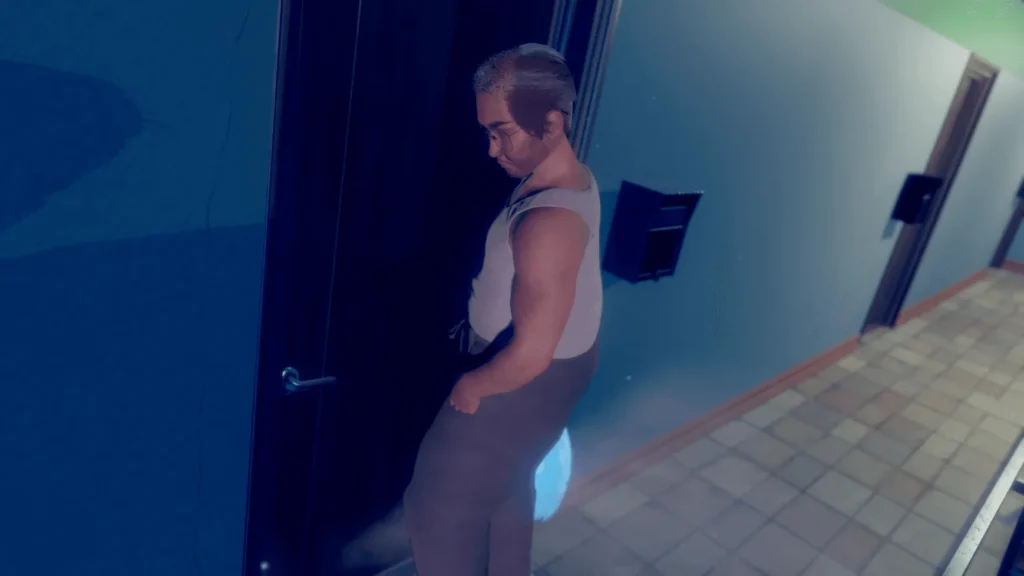
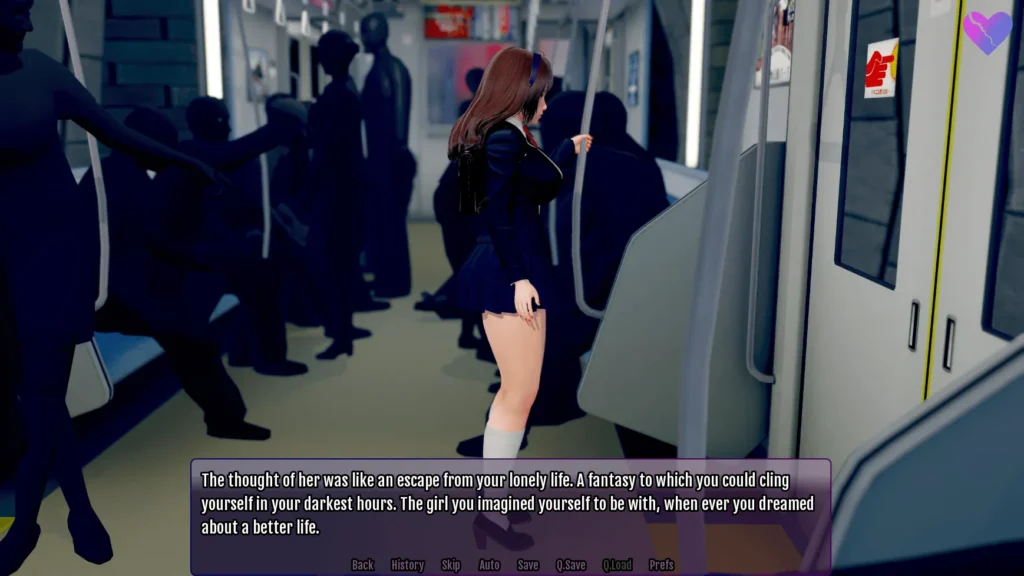

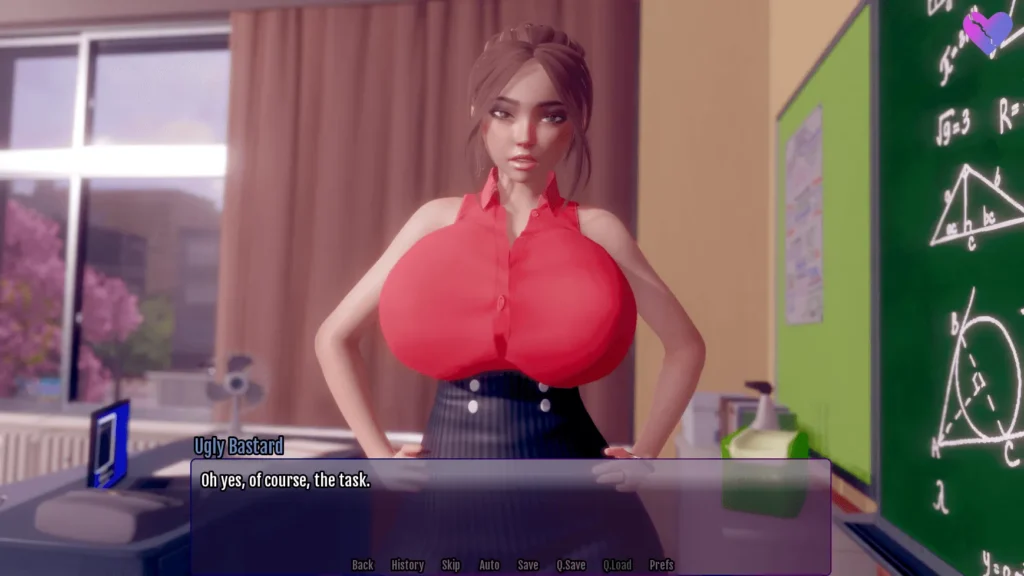
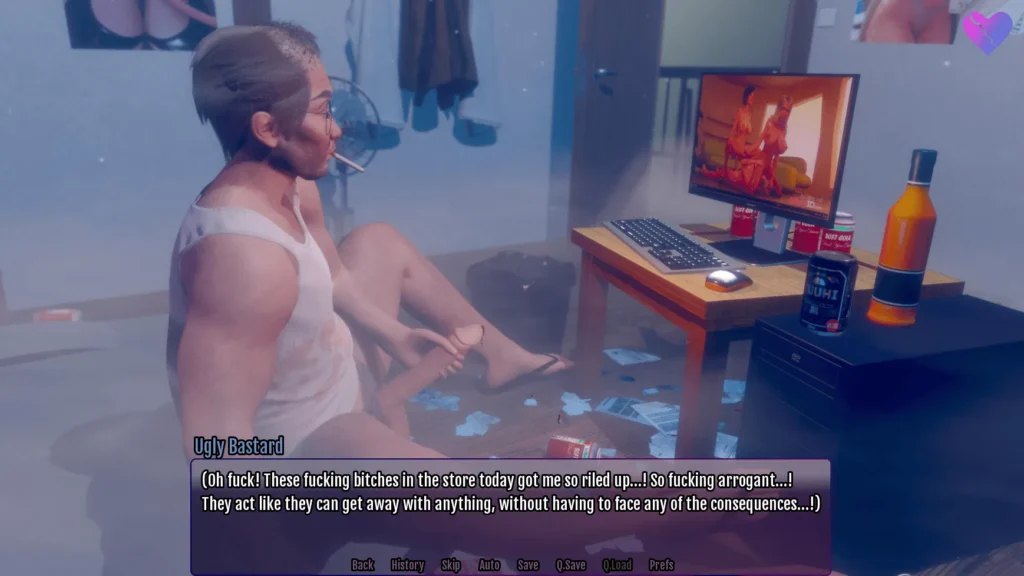
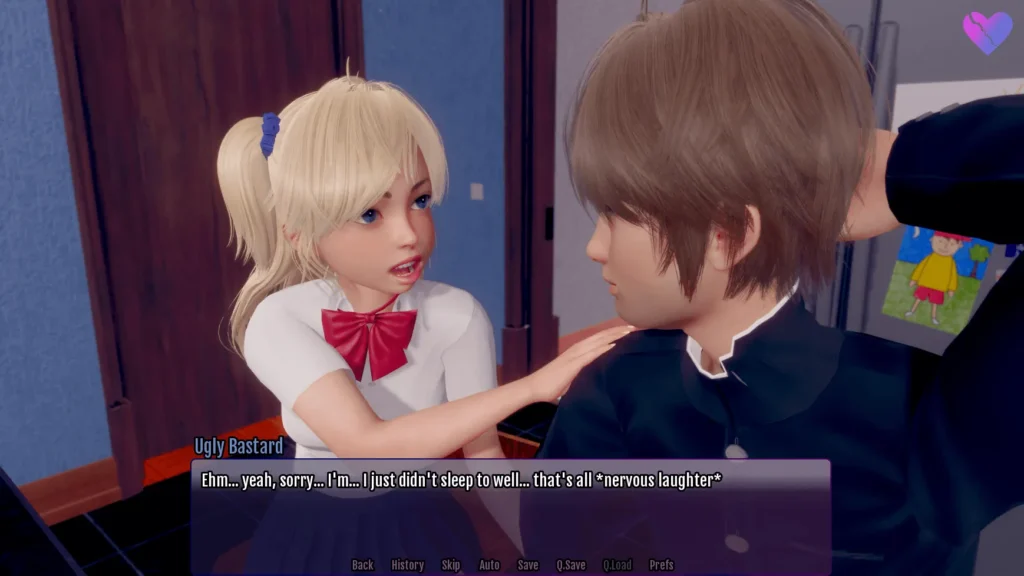



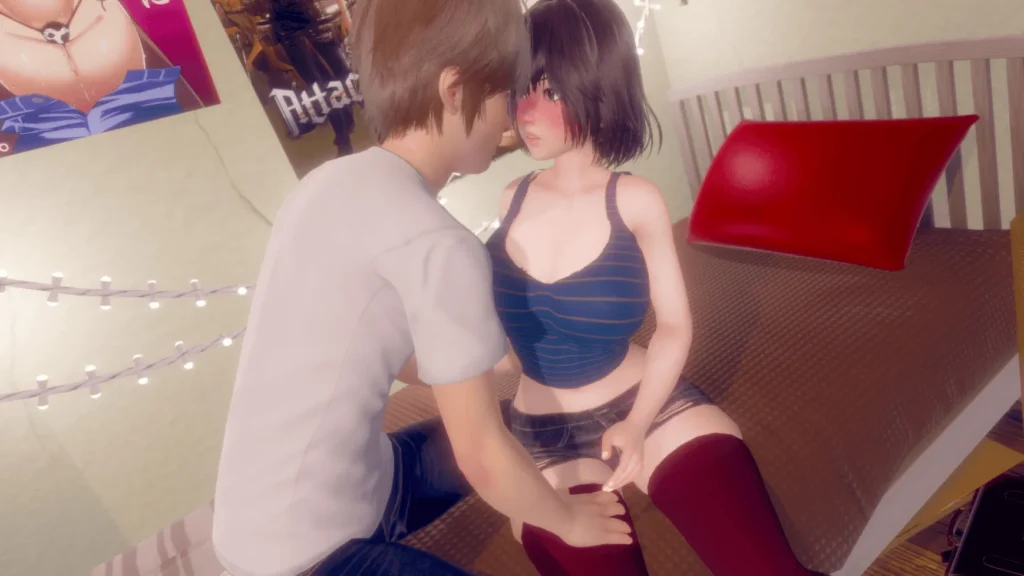

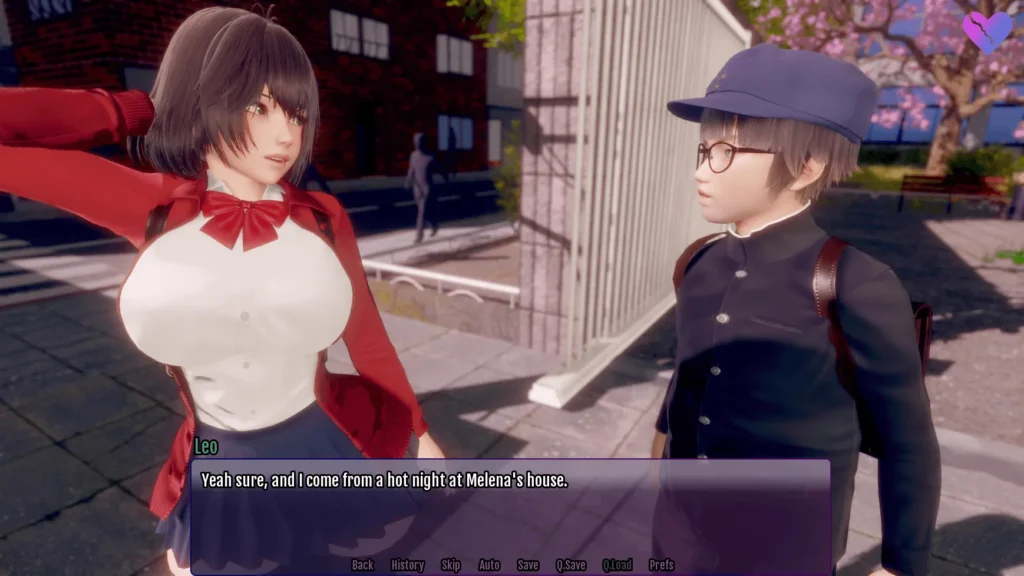
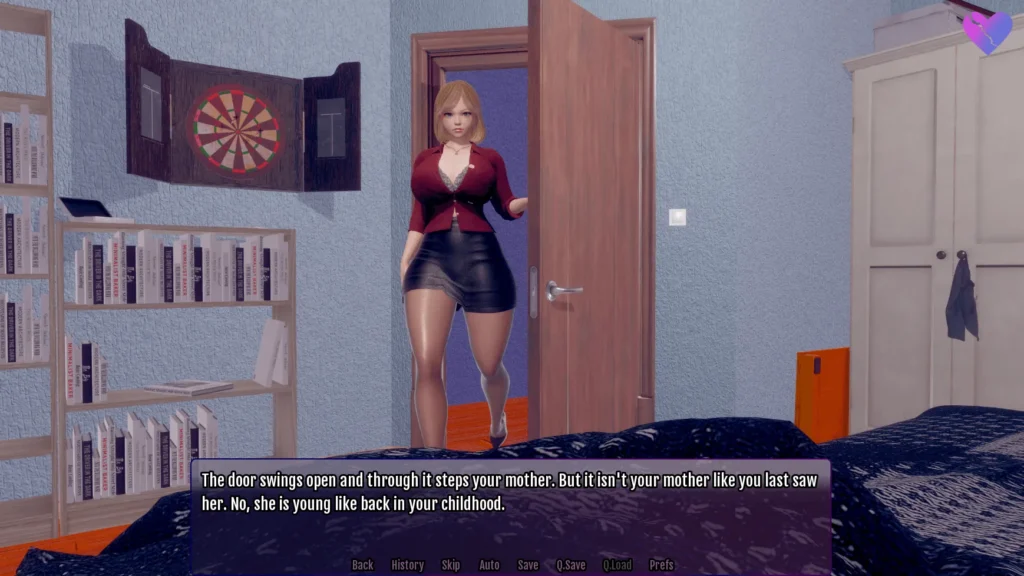
Twisted Memories review
Unraveling the Complexities of Time Travel and Mature Storytelling
Twisted Memories challenges conventional storytelling in interactive entertainment with its bold premise of a middle-aged protagonist revisiting his youth through supernatural means. This analysis explores how the game balances provocative themes with psychological depth, examining its controversial narrative choices and player-driven consequences. We’ll break down its approach to mature content while maintaining focus on character development and thematic coherence.
Deconstructing the Time-Travel Narrative
The Psychology of Second Chances
Ever wished you could redo that cringe-worthy text message from 2012? 🕰️💬 Twisted Memories takes that universal craving for do-overs and cranks it up to interstellar drama. The game’s time travel narrative isn’t just a gimmick—it’s a psychological playground where every choice feels like balancing on a tightrope made of “what-ifs.” Imagine having a remote control for your past, but every rewind leaves cracks in the present. That’s the gut-punch beauty of this system.
Let me paint you a picture: My friend Jake spent three hours agonizing over whether to save a side character’s pet cat (yes, really) because he’d already seen how saving it unraveled a romantic subplot two timelines later. The game forces you to care about narrative consequences by making every “small” decision ripple outward like a stone tossed into a lake. And here’s the kicker—your protagonist isn’t some all-knowing time wizard. They’re stuck in a teenager’s body with the emotional baggage of someone who’s lived lifetimes. 🧠👾
This duality—youthful face, ancient soul—creates delicious tension. You’ll catch yourself thinking, “Why is this kid so weirdly intense about cafeteria politics?” until you remember: they’ve probably lived through this Tuesday a dozen times. It’s character development that smacks you in the feels while making you question how you’d handle infinite retries on life’s biggest moments.
Pro tip: Don’t skip dialogue. Those “throwaway” lines often hint at timeline shifts you won’t notice until things go sideways.
Moral Ambiguity in Character Motivation
Here’s where Twisted Memories flips the script: Nobody’s purely heroic or villainous—they’re just messy. 🎭💣 Take Alex, your best friend-turned-time-travel-rival. Their motivation isn’t “muahaha world domination” but something far more relatable: preventing their mom’s death. The catch? Their fix involves erasing your little sister from existence. Suddenly, saving the world feels less important than saving your family breakfasts.
The game’s branching storylines thrive on these impossible choices. I once sacrificed an entire faction’s trust to protect a secret, only to realize three chapters later that their betrayal was inevitable anyway. The genius lies in how it mirrors real-life moral math—there’s no “good” path, just varying shades of “well, this sucks.”
| Story Branch | Key Decision | Immediate Consequence | Long-Term Impact |
|---|---|---|---|
| Timeline Alpha | Reveal time travel to allies | Gain temporary trust boost | Triggers paranoid faction split |
| Timeline Beta | Destroy time machine | Lose ability to rewind | Unlocks hidden “true self” ending |
| Timeline Gamma | Let major character die | Party morale plummets | Survivors gain combat buffs |
Notice how there’s no “golden route”? That’s player agency at its most brutal—and brilliant. You’re not choosing between “good” and “evil,” but between personal loyalty and cold pragmatism. The average 22-hour playtime isn’t just about length; it’s about the emotional marathons between each gut-wrenching choice. 😮💨
Branching Paths and Consequences
Let’s get practical: How does Twisted Memories make your decisions actually matter? 🌳🔀 Unlike games where choices just tweak dialogue, here’s what happens when you go off-script:
– Relationships evolve based on when you interact, not just how
– Environmental changes persist across timelines (that graffiti you sprayed in 2004? It’s still there in 2042)
– Skill trees adapt to your moral leanings (save too many people? Prepare for a “guilt” debuff)
During my second playthrough, I tried speedrunning—big mistake. The game punished me with a truncated story where characters called out my haste: “You’re always rushing! Do we even matter to you?” 🚫⏩ It’s this attention to narrative consequences that elevates the experience from “cool time gimmick” to “oh god I’m responsible for these digital humans.”
Key stats for the choice-obsessed:
– 47 major decision points (with 6+ endings)
– 93% of players replay immediately after finishing
– Average 3.2 timeline resets per playthrough
Fun fact: The “easiest” ending requires failing repeatedly early on—the game rewards vulnerability.
So, should you dive in? If you’re hungry for a story that treats your choices like live grenades (pull the pin at your own risk), Twisted Memories delivers. Just remember: every “second chance” comes with invisible strings. Now, who’s ready to break reality? 💥🕹️
Twisted Memories presents a daring exploration of regret and redemption through its innovative time-bending premise. While its deliberate pacing and complex themes may challenge some players, those willing to engage with its layered narrative will find a thought-provoking examination of human relationships. For developers and enthusiasts alike, the game serves as compelling case study in mature storytelling within interactive formats. Experience its intricate world firsthand to fully appreciate its narrative ambitions.