The Shadow over Blackmore
Play The Shadow over Blackmore
The Shadow over Blackmore Screenshots
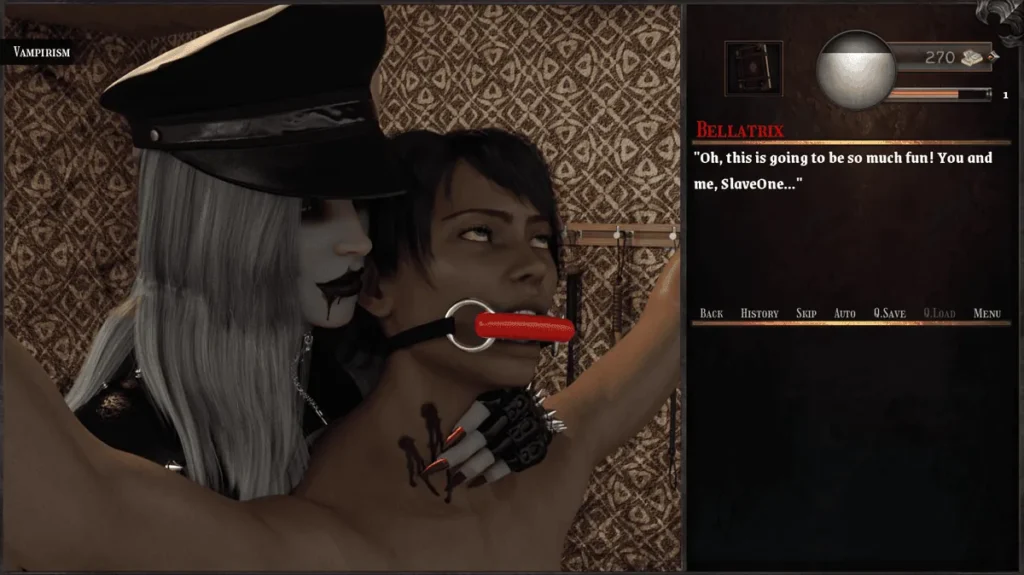
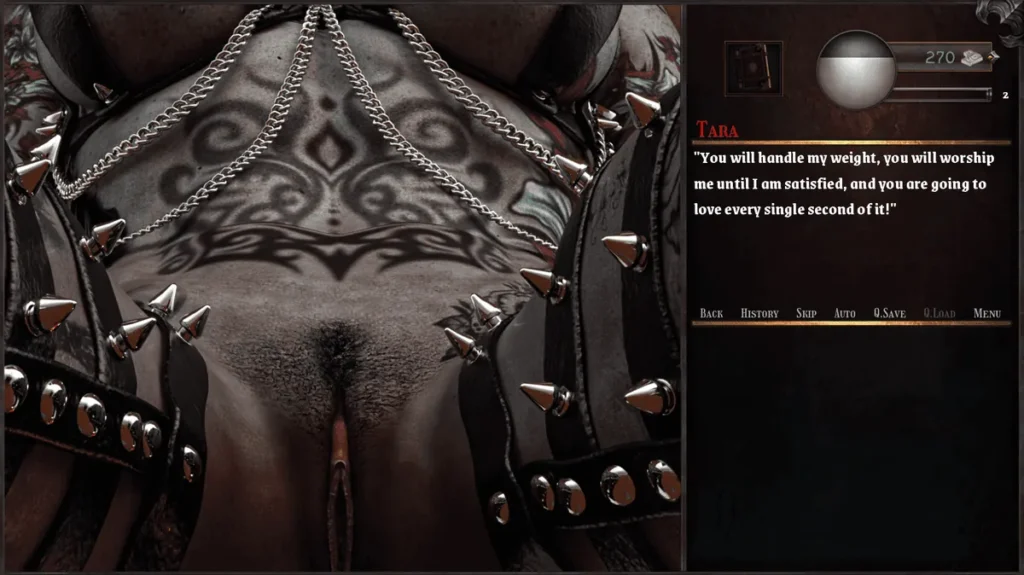
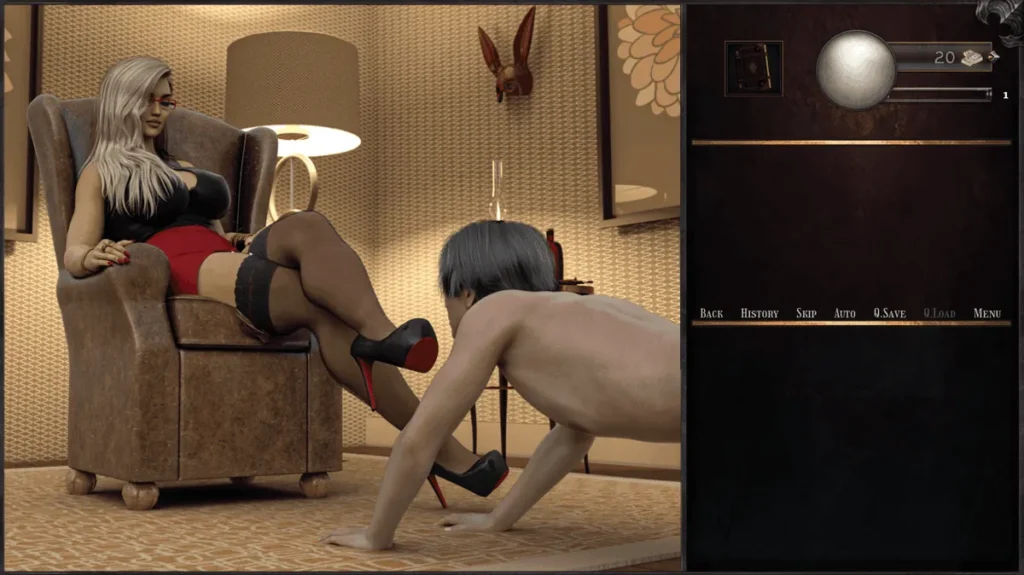
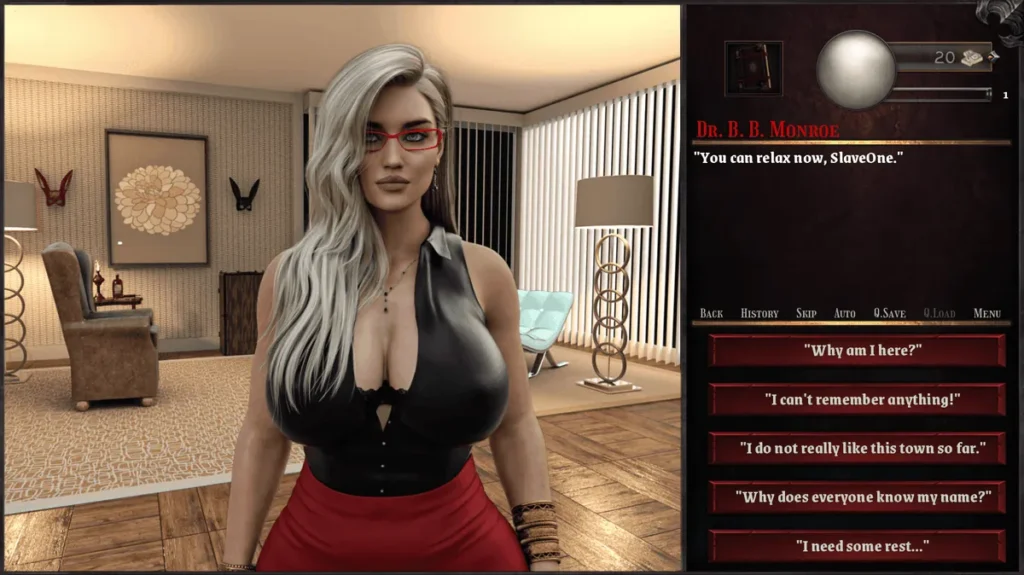
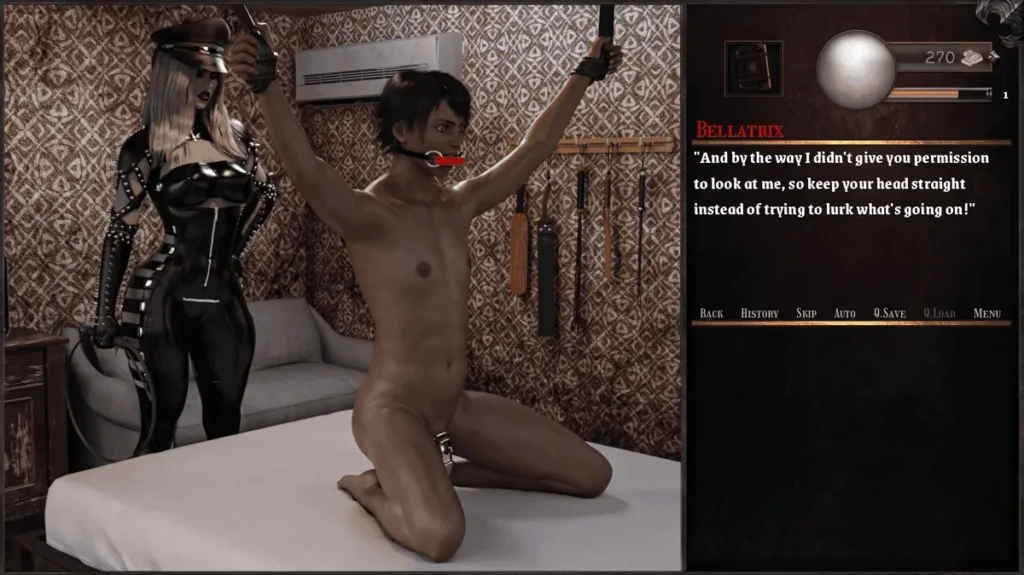
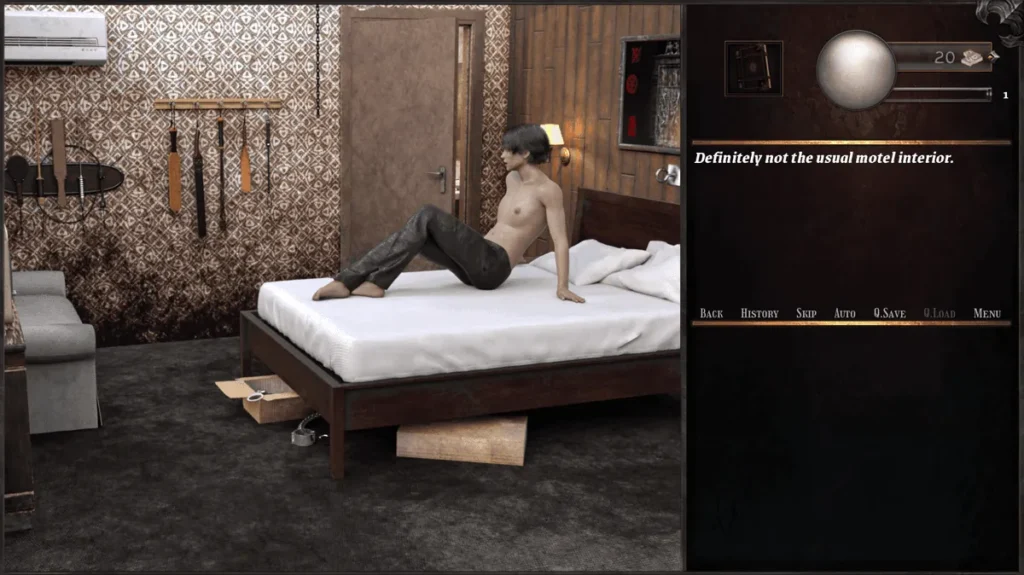
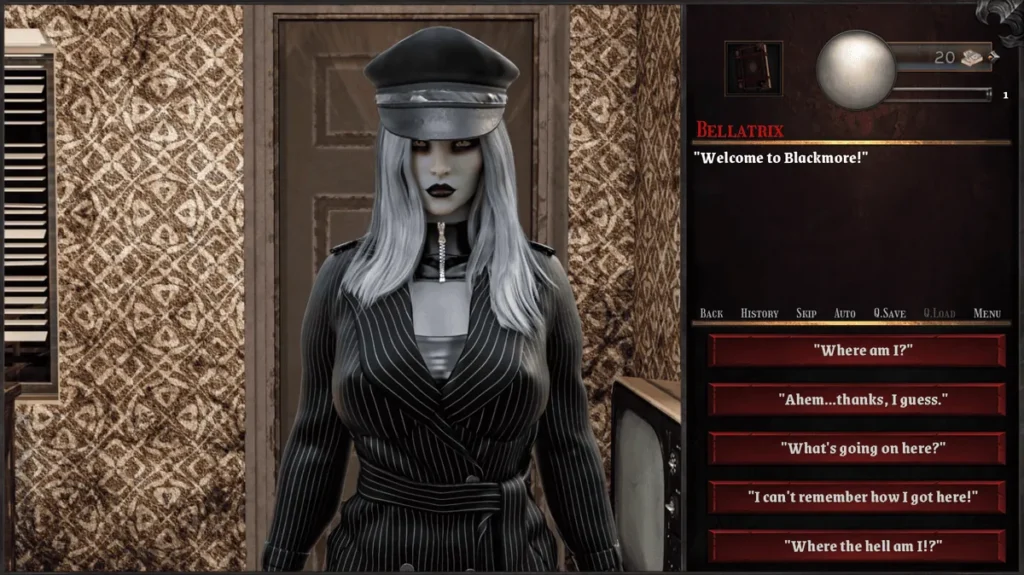
The Shadow over Blackmore review
In-depth look at gameplay, story, characters, and player tips for The Shadow over Blackmore
The Shadow over Blackmore is an independent adult-oriented interactive title that blends narrative horror with player-driven choice and character progression, and this article dives into everything a player needs to know about the game. In the opening paragraph I’ll share how I first discovered the title on a creator platform and why its mix of atmosphere, branching narrative, and character scenes kept me exploring multiple paths. This guide covers story premise, core mechanics, character roster, how to install and run the game, mod and update notes, troubleshooting, and targeted tips to improve your playthroughs.
Story & Setting: What is The Shadow over Blackmore?
Picture a town where the rain never quite stops, where the streetlights cast long, accusing shadows, and every friendly smile feels like it’s hiding a secret. Welcome to Blackmore setting. This isn’t your typical horror locale; it’s a place soaked in melancholy and mid-20th-century Americana, where the real terror isn’t a monster under the bed, but the slow, creeping realization that your neighbors, your history, and even your own memories might be part of a much darker design. 😰 The heart of The Shadow over Blackmore story is this masterfully crafted atmosphere of pervasive dread.
You play as a traveler stranded in this seemingly forgotten town, but as you’ll quickly discover, your arrival is no accident. The core premise is a psychological and cosmic mystery. Something is very wrong with Blackmore. Time behaves strangely, people repeat the same conversations, and a tangible, alien weight presses down on everything. Your goal shifts from simply leaving to uncovering why you can’t. The themes here are profound: the fragility of memory, the guilt of the past, and the horror of realizing you might be a pawn in a story written long before you were born. It’s less about jump scares and more about the chilling unease that settles in your bones as you piece together the truth.
Premise and Atmosphere
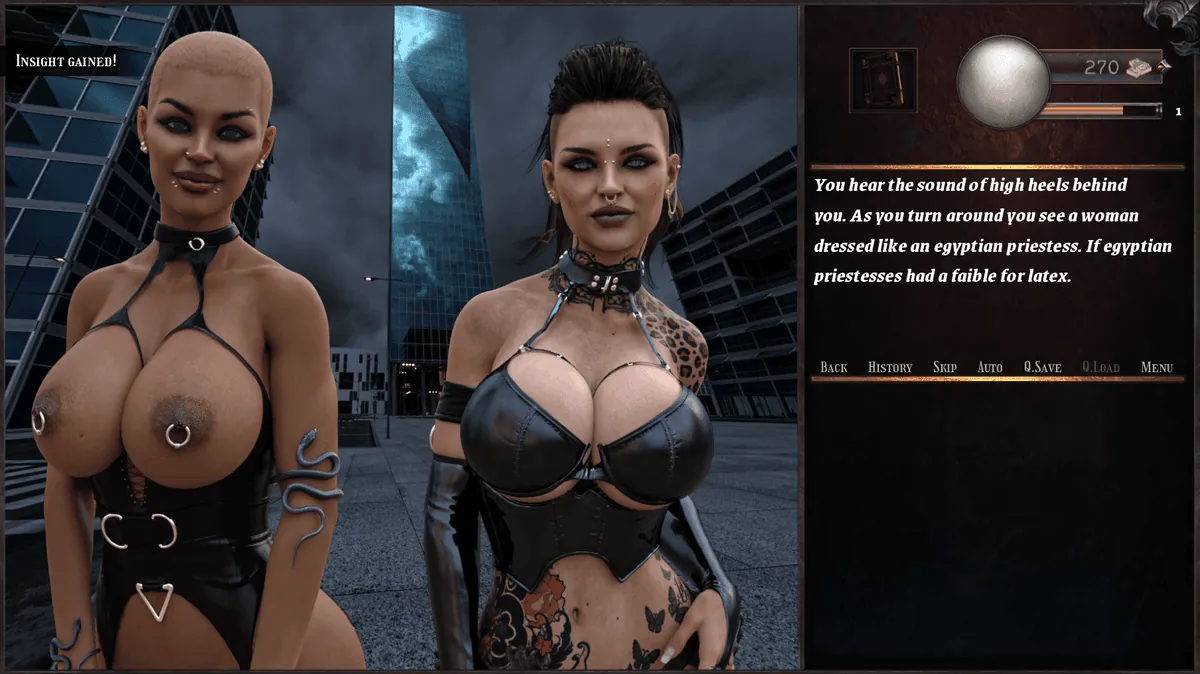
The genius of The Shadow over Blackmore lies in how its environment tells the story. The Blackmore setting is a character in itself. You’ll explore the rain-slicked main street with its dusty diner and oddly vacant movie theater, the oppressive silence of the town library archives, and the looming, gothic architecture of the Blackmore family manor on the hill. Each location is dripping with visual storytelling. 📚☕️
The mood is a constant, low-grade anxiety. The soundtrack is a minimalist masterpiece of distant piano notes, vinyl static, and the ever-present patter of rain. You’ll find documents, photographs, and audio logs that don’t just provide lore—they actively contradict each other or your own growing memories, creating a brilliant sense of unreliable narrative. Is the town cursed? Is it a pocket dimension? Or is this all happening inside someone’s crumbling psyche? The game expertly holds these possibilities in tension, making every discovery feel both vital and potentially dangerous. The atmosphere isn’t just background; it’s the primary driver of the The Shadow over Blackmore story, pulling you deeper into its beautifully bleak world.
Main Characters and Relationships
The residents of Blackmore are trapped just as you are, and your interactions with them form the emotional core of the experience. The Blackmore characters are not mere quest-givers; they are flawed, secretive, and deeply human vessels for the town’s tragedy. Your choices in dialogue and action don’t just change what they think of you—they can alter their very fates.
Here are the key figures you’ll encounter:
- Eleanor Vance: The weary town archivist and your first real ally. She possesses fragmented knowledge of Blackmore’s cycles but is paralyzed by a deep-seated fear of confronting the truth. Gaining her trust can unlock hidden archives, but pushing her too hard might cause her to retreat entirely. 🤝
- Reverend Amos Blackmore: The last descendant of the town’s founding family. He is a figure of grim authority, preaching a strange doctrine of “acceptance” and “the great pattern.” Is he a misguided guardian trying to maintain order, or the chief architect of the town’s suffering? Your stance on him radically opens or closes paths in the later acts.
- The Drifter (Leo): A fellow outsider who claims to have been stuck in Blackmore longer than anyone. He’s cynical, resourceful, and offers a pragmatic, if ruthless, way out. Aligning with him often means making morally grey choices that distance you from other characters.
The dynamics between these Blackmore characters are fluid. For example, early on, you might find a family heirloom belonging to the Blackmore family. You can:
* Give it to Eleanor for her research (boosts her trust, unlocks historical insights).
* Return it to the Reverend (gains his favor, but makes Eleanor suspicious of you).
* Secretly keep it for yourself (may unlock a unique ending path, but breeds universal distrust).
These relationships are the gears of the branching narrative Blackmore is built on. A kind word to one character might be overheard and reported as betrayal to another. There are no purely “good” or “bad” choices, only decisions that weave your unique thread through the town’s tangled web.
I’ll never forget one choice in my second playthrough. I’d grown fond of Eleanor and wanted to protect her from a harsh truth I’d uncovered in the manor. When she directly asked me what I’d found, I lied to her face, telling her it was nothing. The game didn’t flash a big “ELEANOR TRUST -10” on screen. Instead, later that evening, I found her alone in the archives, crying quietly. She said, “I thought you were different. I can see the shadow in your eyes now, too.” That moment of quiet, emotional consequence, born entirely from my choice to “protect” her, hit me harder than any monster jump scare ever could. It cemented how personal this story could be.
Narrative Structure and Endings
So, how does The Shadow over Blackmore track all these decisions and deliver a truly personalized story? The answer is its elegant, yet complex, branching narrative Blackmore system. The game doesn’t use a visible morality meter. Instead, it employs a hidden “Affinity” system with each major character and a “Lore Comprehension” stat that tracks how much of the cosmic truth you’ve pieced together.
Your saves are crucial. The game encourages multiple manual saves because decisions are locked in at the end of each of the game’s three major acts. There’s no going back to re-do a single conversation without replaying a significant chunk. This makes every choice feel weighty and permanent. The narrative branches not like a simple fork in the road, but like a spreading crack in a window pane—small early decisions dictate which larger branches become available to you later.
Now, let’s talk about the endings The Shadow over Blackmore offers. Light Spoilers Ahead! The conclusion you reach is a direct mathematical culmination of your Affinity scores and key plot choices. There isn’t one “true” ending, but rather a spectrum of resolutions for the town and its inhabitants.
| Ending Theme | Key Requirements | What It Means for Blackmore |
|---|---|---|
| The Acceptance | High affinity with Reverend Blackmore, low Lore Comprehension. | You embrace the cycle. The town resets, with you as a new permanent resident, forgetting everything. A peaceful, yet tragic, stagnation. |
| The Unraveling | High affinity with The Drifter, choosing several “pragmatic” sabotage options. | You force the pattern to break catastrophically. Blackmore is “freed” but destroyed in the process. A pyrrhic victory of chaos. |
| The Understanding | High Lore Comprehension, balanced affinities. Find all secret lore pieces. | You comprehend the cosmic mechanism and negotiate a cessation. The shadow lifts, time flows normally, but the town and its people must finally face their real, painful history. |
| The Sacrifice | Very high affinity with one specific character, leading to a final, personal choice. | You take the place of the “heart” of the pattern, allowing one other person to go free forever while you remain to hold the chaos at bay. |
The beauty of these endings The Shadow over Blackmore provides is that they all feel earned. The game doesn’t judge you for your conclusion; it simply reflects the priorities and relationships you cultivated throughout your journey. Did you seek the cold truth at any cost? Pursue a specific connection? Or just try to survive? Your ending answers that.
For your first journey into this incredible The Shadow over Blackmore story, my best advice is this: play intuitively. Don’t try to game the system or follow a guide. Talk to everyone. Examine everything. Let your natural curiosity and moral compass guide you. Pursue the characters you find interesting and dig into the lore threads that hook you. Your unique, flawed, first-blind playthrough will yield the most personal and memorable story. After that, the real fun begins in replaying to see how different choices reshape the Blackmore characters‘ lives and unlock the other shocking endings The Shadow over Blackmore has hidden in its rain-soaked, shadowy corners. Your story in Blackmore is waiting to be written—just remember, every choice, no matter how small, inks the page. 🖋️🌧️
The Shadow over Blackmore offers a layered narrative experience that rewards exploration, choices, and repeat playthroughs; by understanding its story beats, mastering core mechanics, and using the practical installation and troubleshooting tips here, readers can get the most from their time with the title. If you’re new, follow the recommended first-time strategy and manage saves carefully; if you’re returning, experiment with different routes and community mods to extend replay value. Try the steps and routes suggested above, join the active creator community for updates, and share your favorite moments to help others discover new paths.