
Star Periphery
Play Star Periphery
Star Periphery Screenshots
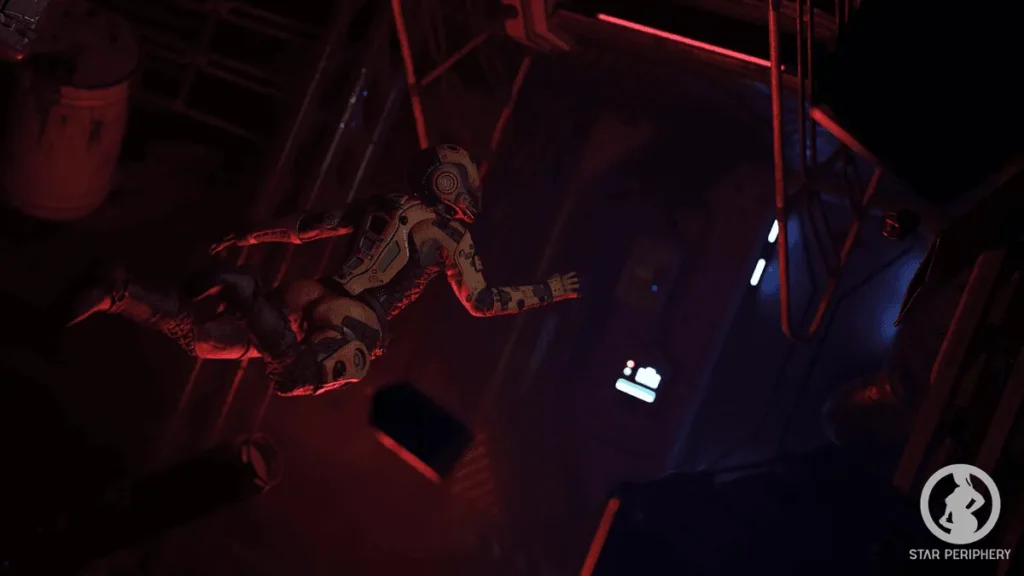

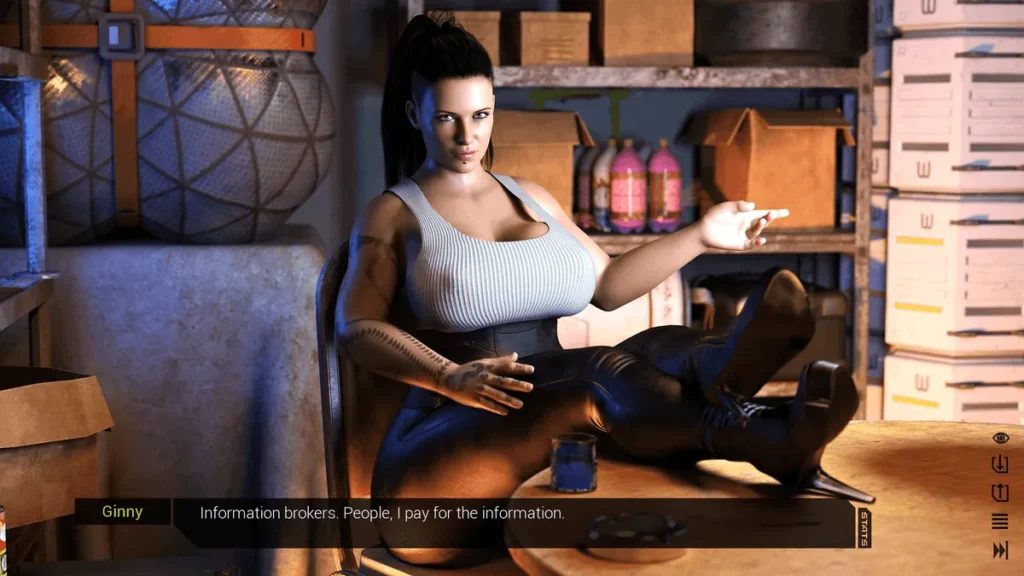

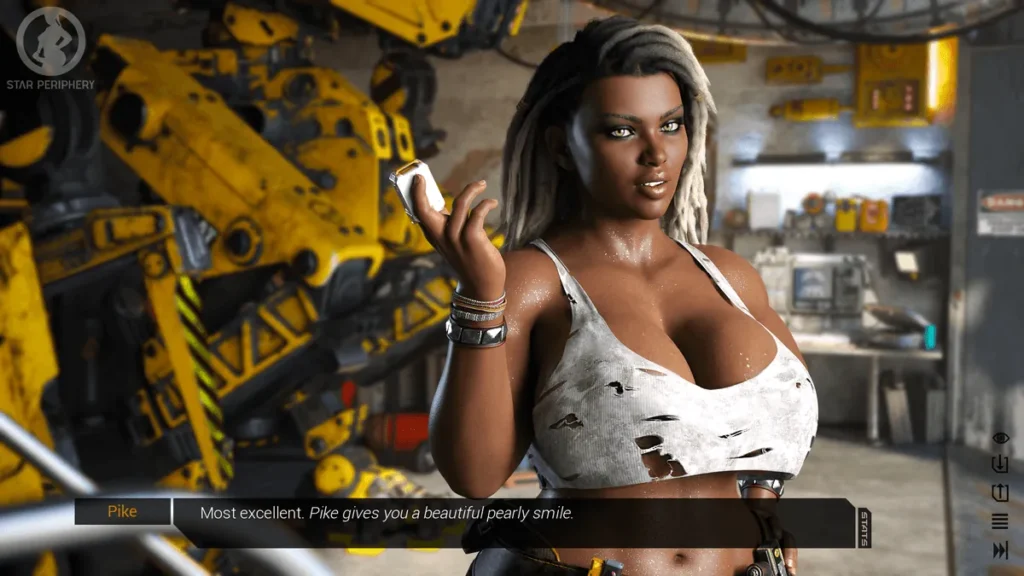



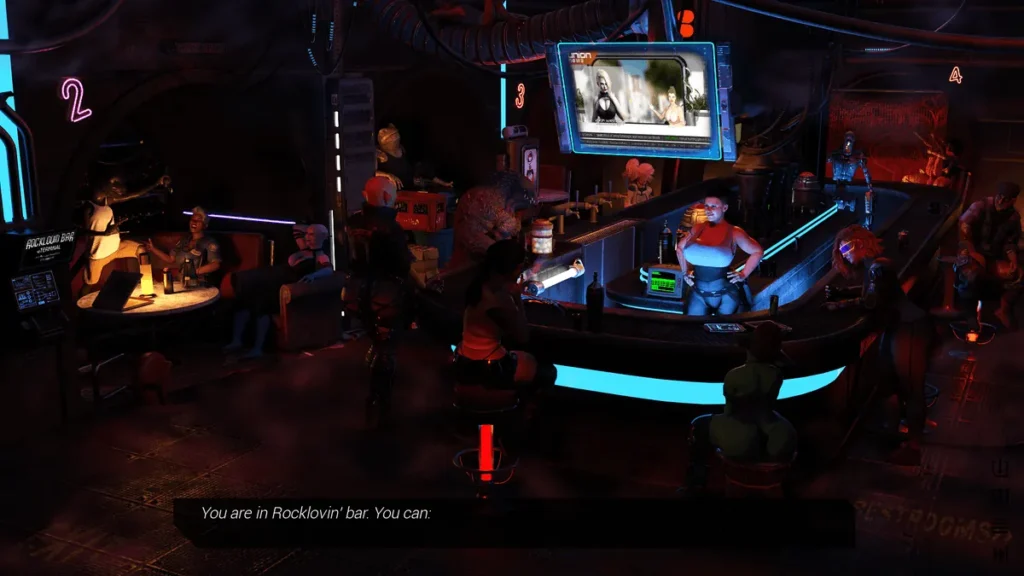
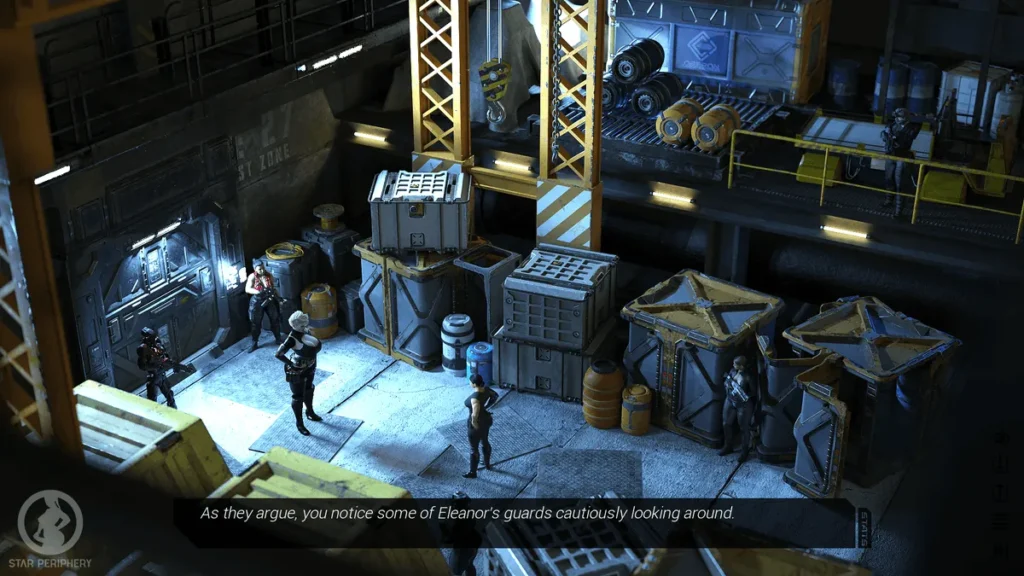
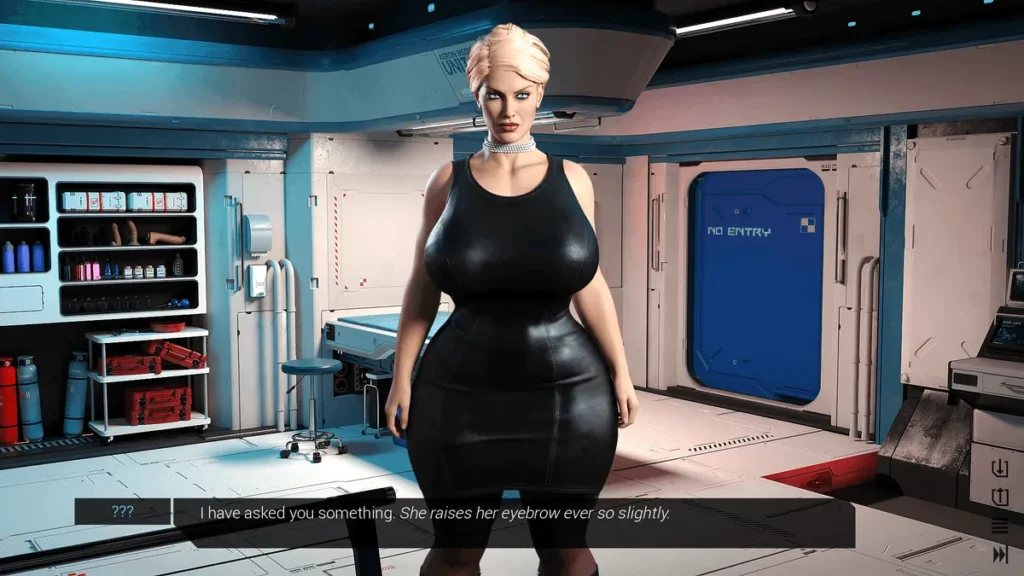

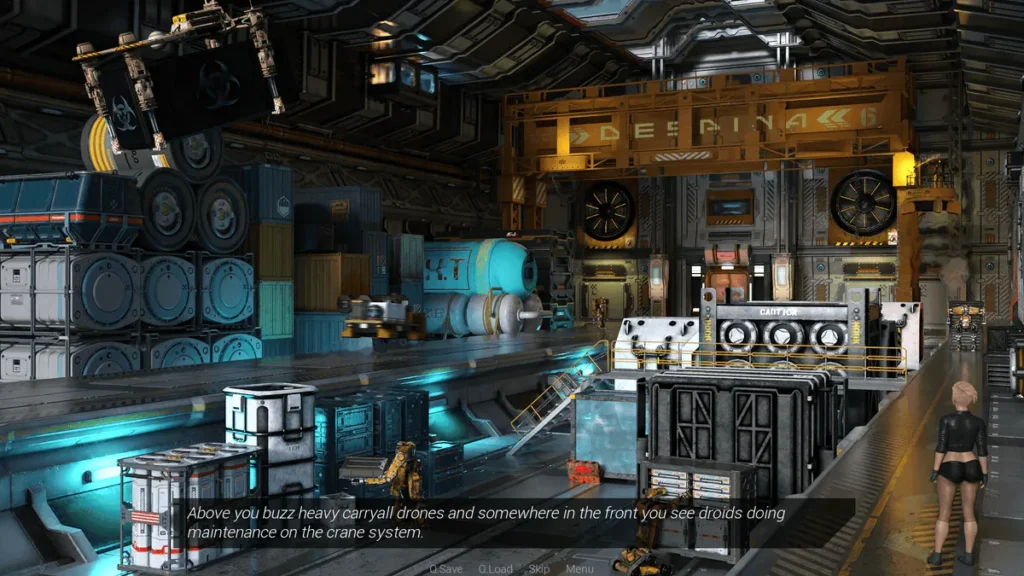
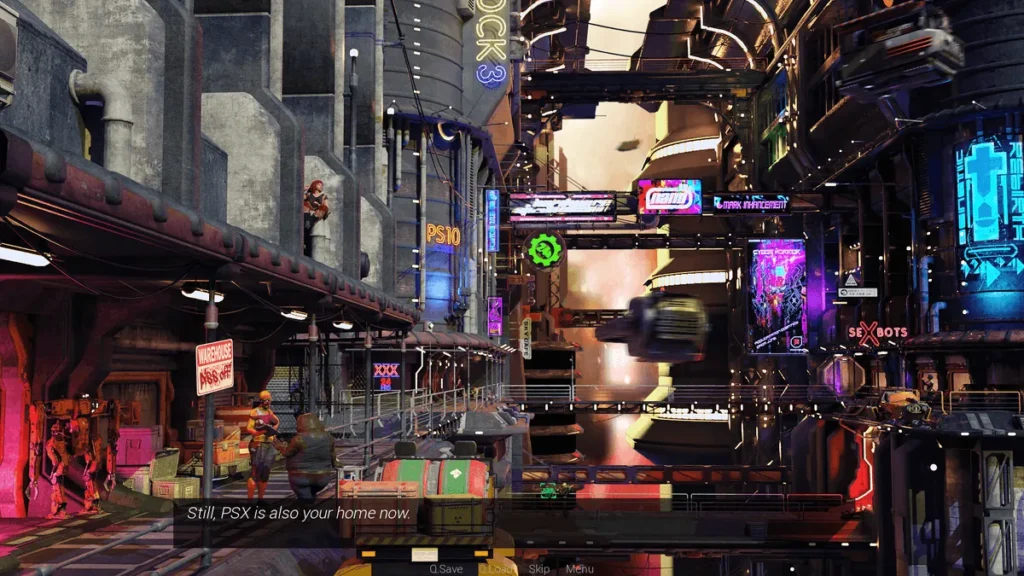
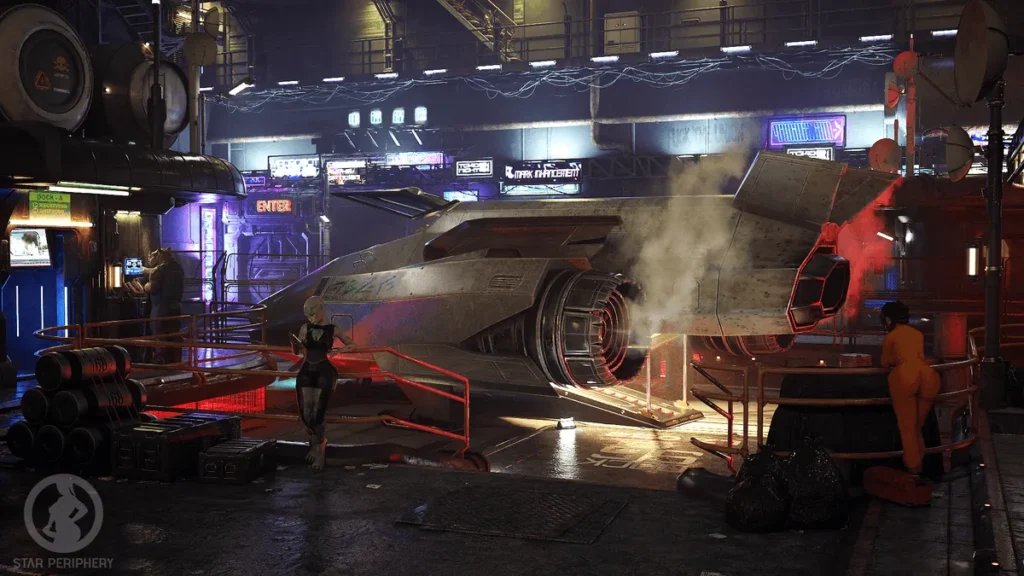
Star Periphery review
A practical, story-driven look at Star Periphery, its systems, and what to expect before you dive in
Star Periphery blends deep space strategy with strongly mature themes, giving players a very different kind of sci‑fi experience than typical galactic empire titles. If you have seen the name Star Periphery hinted at around online game hubs and want to know what the actual gameplay loop looks like, how the narrative and characters work, and how explicit the experience really is, this guide is for you. I will walk you through what the game does well, where it can feel rough, and how to decide if this blend of command decisions and adult content fits your personal taste.
What Is Star Periphery and How Does It Play?
Ever scrolled through space strategy games and felt like something was missing? 🤔 You know the drill: build a fleet, conquer sectors, repeat. They’re fun, but they can feel a bit… distant. Where’s the human element? Where are the stories that stick with you after you close the game? This is exactly the gap Star Periphery fills. It’s not just another 4X title; it’s a thoughtful, adult space strategy game woven with a narrative that treats its characters—and its players—like grown-ups. 🚀
So, what is it, exactly? In broad strokes, Star Periphery drops you onto the fraying edge of known space. You’re not an admiral of a vast armada, but the captain of a single ship or a small, scrappy fleet. Your currency isn’t just credits and ore, but trust, secrets, and the complex moods of your crew. You’ll manage systems, sure, but the most critical resources are the people on your bridge and the choices you make in conversation. This Star Periphery overview is here to peel back the layers and show you how this unique game truly plays.
Core Star Periphery Gameplay Loop Explained
At its heart, the Star Periphery gameplay loop is a captivating dance between management, exploration, and intimate storytelling. Think of it as running a high-stakes, interstellar business where your employees have deep backstories and your business partners might shoot you—or seduce you—depending on your last conversation.
The loop is deceptively simple in structure but incredibly rich in execution. You start on your ship, your mobile home and command center. Here, you check on your crew’s status, manage your ship’s modules and supplies, and review your mission log. Then, you plot a course. A typical session might see you jumping to a frontier station to pick up a cargo run, only to have that mission interrupted by a distress signal. Do you investigate and risk your precious cargo timeline, or press on?
Once engaged, the game seamlessly shifts between modes. You might have a tactical, real-time-with-pause space encounter where positioning and system power management are key. Afterward, you’ll dock at a station and engage in text-heavy, choice-driven dialogues with characters that feel genuinely lived-in. A successful negotiation opens new mission branches; a careless insult might close doors permanently. Every choice feeds back into your ship’s ecosystem, affecting crew morale, faction reputation, and the type of scenes and story paths that become available to you.
To visualize how these pillars connect, here’s a breakdown:
| Phase | Your Primary Actions | The Potential Consequences |
|---|---|---|
| Ship Management 🛠️ | Assign crew roles, repair systems, allocate power, review relationship statuses. | A happy, skilled crew performs better in crises. Neglect leads to failures and mutiny. |
| Mission & Exploration 🗺️ | Accept jobs from factions, explore unknown signals, engage in space travel and combat. | Earn credits and rare gear. Uncover hidden story threads. Risk ship damage and crew injury. |
| Dialogue & Choices 💬 | Navigate complex conversations with crew, companions, and faction leaders. Make moral and strategic decisions. | Unlock character-driven scenes, alter story branches, gain or lose allies, and access exclusive content. |
| Consequence & Evolution 🔄 | Manage the fallout from your decisions via new mission offers, changing crew dynamics, and shifted faction standings. | Your playthrough becomes truly unique. The game world reacts and remembers your captain’s legacy. |
This is the core rhythm of the Star Periphery game. It’s a loop that rewards careful planning and empathetic role-playing in equal measure.
How Star Periphery Mixes Space Strategy with Adult Storytelling
This is where Star Periphery truly carves its own niche. The “adult” in this adult space strategy game doesn’t just refer to mature content; it refers to maturity of theme. The storytelling assumes a player who appreciates nuance, moral ambiguity, and relationships that are as strategically important as a new shield generator.
Unlike traditional space strategy games where characters are often stat sheets with portraits, every major character in Star Periphery has desires, fears, and agendas. Your engineer isn’t just a +15% repair speed bonus; she’s a person with a past that haunts her, and how you handle her personal questline will determine if she’s a loyal friend or a liability. The game brilliantly ties character development directly to gameplay progression. Earning a companion’s deep trust might unlock a special ability for your ship or a critical piece of intelligence for a mission.
The narrative is driven by your agency. There is no linear plot you’re dragged through. Instead, you have a sandbox of interconnected character arcs and faction politics. Your choices in dialogue scenes—which are often presented with evocative visuals and careful writing—determine which arcs you activate. This focus on player agency over linear storytelling means two players will have wildly different experiences. One might broker a tense peace between rival corps, while another might spark a war for personal profit.
And yes, the game includes romantic and intimate relationship paths with companions. These are treated as another deep layer of character interaction and world-building, not a separate mini-game. Pursuing them requires investment, consistent choices, and often navigating complex emotional situations. They change how characters interact with you on the bridge, offer unique side stories, and can even influence major plot outcomes. It’s all part of the game’s commitment to a holistic, mature narrative.
To summarize, the mix looks like this:
* Missions & Logistics: The classic space strategy layer of “what we need to do.”
* Crew & Relationships: The human (or alien) layer of “who we are doing it with.”
* Choices & Dialogue: The narrative engine that decides “how and why we do it.”
* Scenes & Consequences: The payoff where your strategic and personal decisions manifest in the story.
This blend is what makes answering “how does Star Periphery play” so interesting. It plays like a management sim, a tactical space game, and a choose-your-own-adventure novel all at once. 🪐
My First Hours with Star Periphery: What Surprised Me
My Star Periphery first impressions were defined by one thing: how quickly the impersonal became personal. I started a fresh save, named my rusty freighter The Long Haul, and took what looked like a simple job: deliver medical supplies to a remote mining outpost. Standard Star Periphery gameplay, right? Plot the course, maybe dodge a pirate scan, collect the pay. Easy.
I arrived to find the outpost in chaos, not from a plague, but from a raid. Among the wreckage, my sensors picked up a lone life pod. The mission clock was ticking—my payout was based on speed. The logical, “strategy game” move was to log the pod’s coordinates for a salvage corp and complete my contract. But the game presented the stranded person not as a “side objective,” but through a desperate, text-based plea for help over the comms.
I broke protocol and brought them aboard. This single, seemingly small moral choice became the defining event of my first evening. The survivor, Kael, wasn’t just extra cargo. He was a character with a full history that unfolded in conversations in my ship’s mess hall. My medic, who valued protocol, was annoyed at the risk I took. My first mate, a former refugee, respected the decision. My crew mood system, which I’d barely noticed before, suddenly had tangible, conflicting feedback.
The consequences rippled out. Kael’s knowledge of the region unlocked a new, risky but lucrative mission type I hadn’t seen before. Later, when we were boarded by opportunistic scavengers, a dialogue scene fired where Kael had to choose whether to reveal himself to help us negotiate. Because I’d taken the time to build a rapport with him, he intervened, turning a potential firefight into a tense standoff we could talk our way out of. The entire tone of my playthrough shifted from a pure logistics run to a character-driven saga about second chances, all within the first few hours.
A quick tip from my experience: Save your game before docking at any new station or approaching a major story signal. The choices you’ll face often have no clear “best” outcome, only interesting ones, and you’ll want to see where they lead.
This leads me to some practical advice for this Star Periphery beginner guide. First, slow down. Rushing through dialogue is the fastest way to miss what makes this game special. Read the tooltips on your crew stats—they explain why someone is good at diplomacy or uneasy in combat. Don’t be afraid to start on the standard difficulty; it gives you breathing room to learn how mission risk, resource scarcity, and crew happiness interact without punishing you too harshly.
Finally, engage with the systems. Talk to your crew after every major event. Check their personal logs. The game’s richest content is hidden behind those layers of interaction. Star Periphery doesn’t hand you a galaxy on a platter; it asks you to earn it, one relationship and one tough choice at a time. That’s what makes it a standout adult space strategy game—it challenges your heart as much as your mind.
Example: A First Mission Case Study
Let’s solidify this with a mini case study from that early game mission:
* The Setup: Simple cargo delivery to Outpost Sigma-7.
* The Complication: Finding a stranded survivor (Kael) in a life pod.
* The Choice: Proceed with delivery (Profit: +5000 credits, +Rep with Trade Guild) OR Rescue the survivor (Cost: -20 Fuel, -5 Medical Supplies, Unknown outcome).
* My Decision: I rescued Kael.
* Immediate Gameplay Effect: Minor resource drain. Crew received conflicting mood modifiers (-5 Morale for “Rule-Breaking,” +10 Morale for “Compassion”).
* Long-Term Story & Gameplay Effect:
* Unlocked Kael as a companion with unique dialogue and a personal mission chain.
* Gained access to “Salvage Rights” missions, a new income stream.
* Several game days later, the scavenger boarding event was resolved peacefully due to Kael’s intervention, saving significant repair costs.
* My medic’s personal quest later presented a choice that referenced my “habit of picking up strays,” proving the game remembered.
This one decision in the first hour didn’t just change a number on a screen; it altered the narrative flavor, opened new gameplay avenues, and made my captain’s story feel uniquely mine. That is the essence of how Star Periphery plays.
Star Periphery is designed for players who enjoy slow‑burn sci‑fi storytelling, layered decisions, and unapologetically mature themes wrapped inside a spacefaring strategy framework. Instead of rushing you from battle to battle, it asks you to think about your crew, your alliances, and the tone you set aboard your ship. If you are curious, the best way to see whether it matches your taste is to approach it like any complex strategy title: start on a comfortable difficulty, read carefully, and give yourself a few in‑game nights to let its characters and atmosphere unfold. If the blend of tactical planning and intense, personal scenes keeps you thinking about your choices even after you close the game, Star Periphery is likely a good fit for you.